




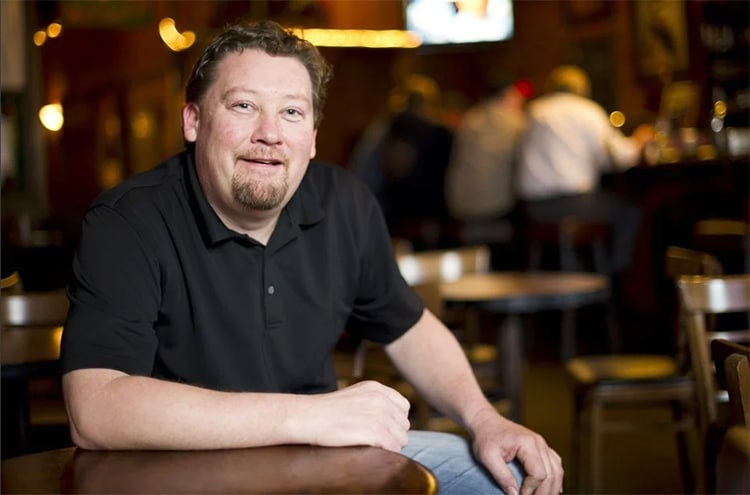
Steve Ding’s story starts the way a lot of San Joaquin County stories start: with work that had to get done, and a family that did it together. As a kid in Stockton, he spent his afternoons and weekends at his parents’ store, learning early that nothing arrives on time unless someone shows up early. He learned to count change, stock shelves, and take care of customers when you’re tired, when you’d rather be anywhere else, and when the day doesn’t care about your excuses. That rhythm—work first, results matter—never left him.
By the time he reached Stagg High School, Steve was already the kind of person who liked paying his own way. He added a paper route. He bused tables. He understood the value of a dollar because he’d worked for it—and because he watched families do the same, week after week, hoping government wouldn’t make life harder than it already was.
He stayed local at San Joaquin Delta College before transferring to Chico State, where he worked nights as a doorman at a local nightclub. It was there, in the unglamorous hours when the music finally faded and the cleanup began, that he kept hearing the same thing from small business owners: rules that didn’t make sense, decisions made by people who didn’t understand what it takes to keep the lights on, and local politics that treated entrepreneurs like a problem instead of a foundation. Steve did what he tends to do when something feels wrong—he looked into it, organized, and pushed for change. It wasn’t about ideology as much as it was about fairness and competence: if you’re going to govern, you should at least do the basic job well.
That instinct carried him straight into public service. Steve commuted back to Stockton to work for a county supervisor, then moved to Washington, D.C., where he joined Congressman Richard Pombo’s team and rose to Chief of Staff and Staff Director for the House Resources Committee. It was high-stakes work—especially on water policy, where decisions made far from the Delta can ripple through farms, neighborhoods, and family businesses back home. He learned the machinery of government, but he also learned its temptation: to confuse power with performance. Steve never did. His view stayed simple—government works for the people, not the other way around.
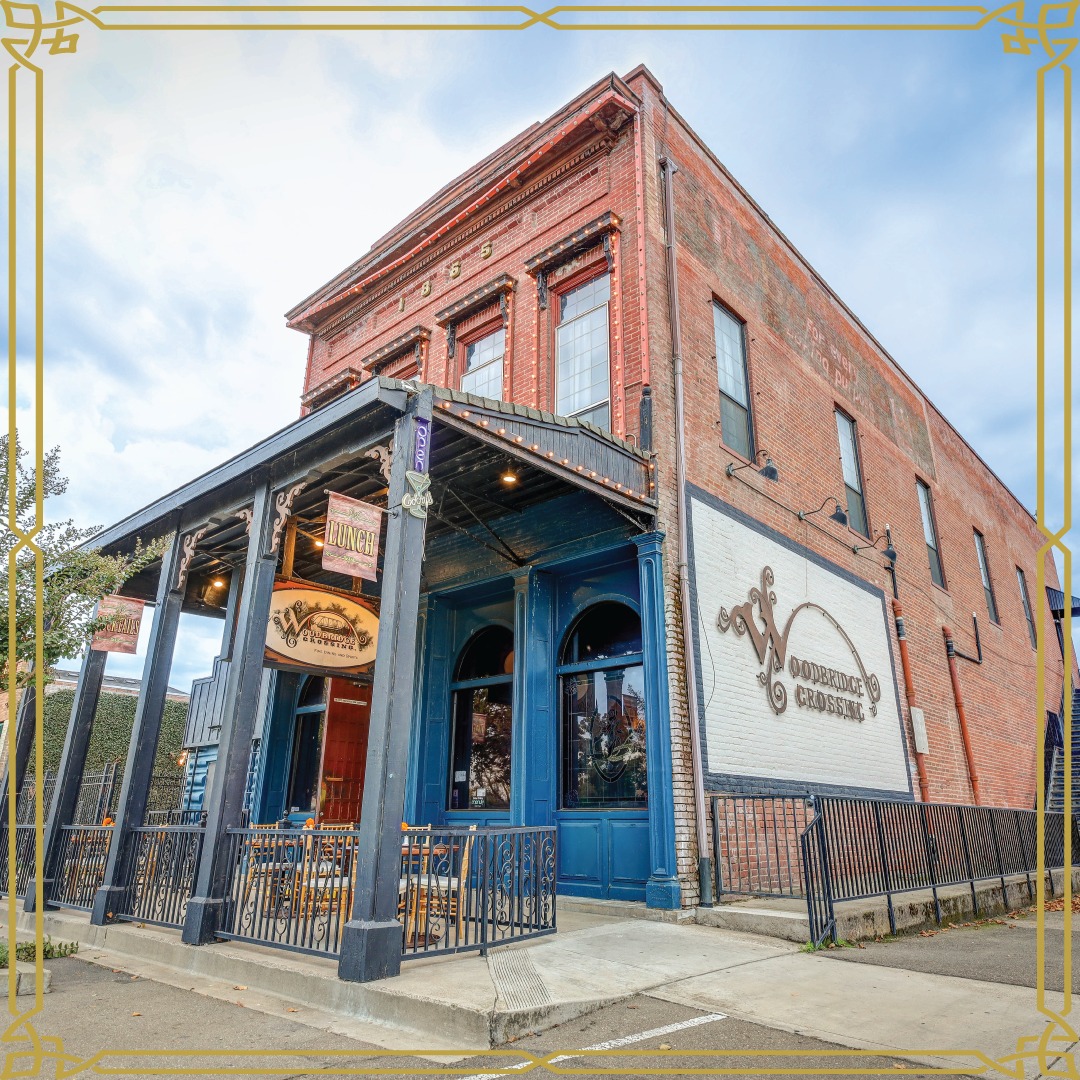
In 2010, Steve returned to what he considers the most honest proving ground there is: a small business. He bought the historic Woodbridge Crossing restaurant and took on the kind of restoration you don’t do for applause. You do it because you believe a community’s landmarks are worth saving—and because you’re willing to risk your own money to prove it. He rebuilt it, kept it a local tradition, and turned it into a place where families gather, where visitors stop on purpose, and where Steve still does what he’s always done—walk the floor, meet people, listen hard, and fix what isn’t working. Today, he’s blessed to work there alongside his sons, Steven Jr. and Connor, not as a photo-op, but as a way of life.
That same ethic—show up, listen, fix it—has defined his work as San Joaquin County Supervisor and restaurant owner. Steve is direct. He does what he says. And when something needs correcting, he corrects it. He knows what it’s like to make payroll, deal with regulations, and compete in a tough economy—so when he talks about “responsible spending,” it’s not a slogan; it’s muscle memory.
As Supervisor, Steve has focused relentlessly on visible results that touch daily life. Under his watch, District 4 saw major infrastructure investment—over 160 miles of roads treated and six bridges rehabilitated or replaced through roughly $57.3 million in awarded contracts, along with additional preservation work and safety improvements like the Duncan and Comstock roundabout and a major drainage resiliency project in Acampo. These aren’t abstract wins. They’re the roads families drive, the routes businesses rely on, and the kind of maintenance that saves taxpayers money by preventing bigger failures later.
He has made public safety a central priority, including efforts that helped drive copper-wire theft down dramatically—from about 500 cases a year to under 100—while supporting law enforcement staffing and faster hiring so patrols and response aren’t stretched past the breaking point.
At the same time, Steve has pushed hard on affordability and basic cost discipline—opening refuse service bidding that produced major savings for residents and supporting fee reductions that keep everyday costs from climbing higher than they have to. When Steve talks about affordability, he frames it the way working families do: being able to pay the bills, raise a family, and plan for the future without living one emergency away from losing everything.
He’s also helped advance behavioral health and homelessness solutions that aim for both accountability and care—supporting expanded services and investing in long-term capacity like the BeWell Campus, while backing local partnerships that add beds and transitional housing with wraparound support. Steve’s view is that compassion without structure fails people—and structure without compassion fails communities—so he’s pushed for approaches that move people forward rather than leaving them stuck in cycles that serve no one.
And because he understands what’s at stake for the region, Steve has stood up for agriculture and the Delta. As Vice Chair and as lead Supervisor on the Delta Counties Coalition, he has fought efforts to fast-track the Delta Tunnel and backed legal and legislative pressure to ensure Sacramento follows the law and faces the public honestly—because the Delta isn’t a talking point; it’s a living system that holds communities, farms, and an entire way of life.
Steve Ding is, at heart, what he’s always been: a small business owner and community leader who believes government should do the job we pay it to do—protect public safety, maintain roads and infrastructure, spend responsibly, and respect the people who carry the county on their backs. If you want to understand him quickly, don’t start with a headline. Start where the work is. You can still find him there—at Woodbridge Crossing, listening, learning, and getting things done.